Wednesday, 27 February 2013

How Yellow Makes You Blue (and other color conundrums)

My first daughter was born after three boys. She is our resident princess whose every girlie desire is fulfilled to the T. To be clear, I'm in love with my boys. We have a blast being wild and crazy together and I've even taught them how to make potato kugel. But, in my mind, a frilly pink onesie with a matching organza hair clip trumps a blue onesie on any day.


Of course, that's just my humble opinion - and apparently, now that la princessa has turned four, my fashion opinion is irrelevant. 

Our morning standardly looks like this: I take out a gorgeous floral jumper with coordinating shirt and tights which she promptly rejects in favor of her brown turtle-neck, navy skirt, and pink,grey,and white striped tights. Mortified, I  personally bring her to gan making sure to engage the ganenet in conversation and "casually" mention that her ensemble was princess' choice and most certainly not mine. 
She'll never be a fashionista and her future as an interior designer looks bleak but there is an element to her stubbornness (I mean, steadfastness) that I really enjoy. This is a kid who knows which color palette makes her happy.

The whole topic of color stands at the very center of good interior design.


When you approach interior design, you likely do so in a couple of different ways - choosing objects and colors that simply look attractive or using an existing pattern or theme to dictate your decisions. Both are fine (and safe) ways to infuse color into your home. However, color is a powerful tool that can be used to inspire emotions or simply set the mood and atmosphere for any particular room. 

Of course, your feelings about color can also be deeply personal and are often rooted in your own experience or culture. Still, research does show that we all share some basic responses to color. 

There are commonly noted psychological effects of color as it relates to two main categories: warm and cool. 
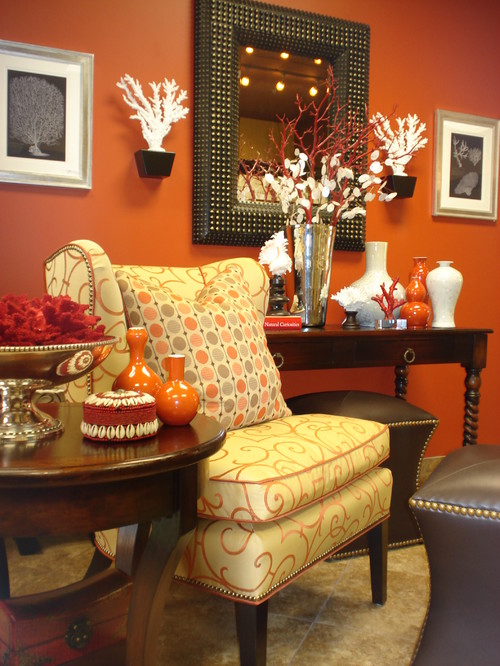
The reds, oranges, and yellows of the color wheel are referred to as the warm colors. These colors create more adrenaline which causes your blood pressure to rise. This increases your heart rate which increases your body temperature. Of course, the more saturated the color, the greater the effect. Warm colors can spark a variety of emotions ranging from comfort and warmth to hostility and anger.
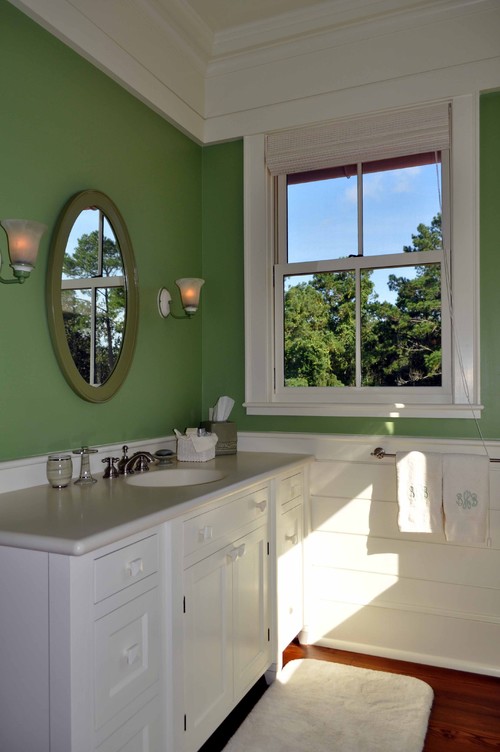
On the other side of the color wheel, greens and blues- are referred to as the cool colors. They are said to make us feel cool by slowing our heartbeat, relaxing our muscles, and lowering our body temperature. Cool colors often spark feelings of calmness and tranquillity. 
Here is a short list of commonly observed associations with specific colors. Notice if any of these associations ring true for you as well:

Red: love, warmth, excitement, and passion. Red is a color that increases enthusiasm and motivates to action.

Light Blue: health, tranquillity, calmness  

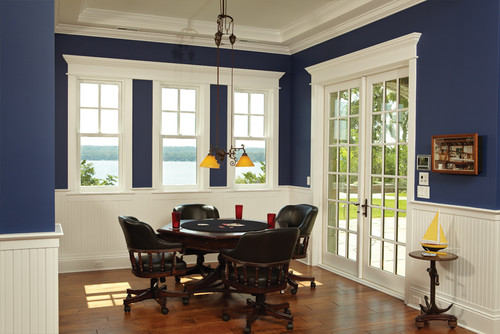
Dark Blue: stability, trust, integrity, and power.
Green: rest, relaxation, nature, growth, freshness. Green is soothing and restful on the eye.
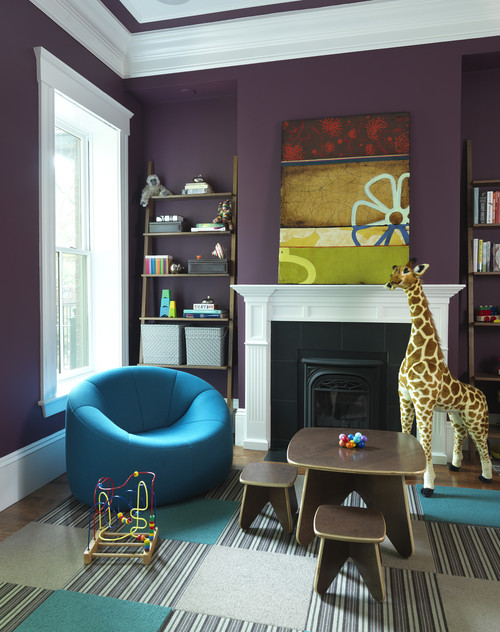
Purple: tranquillity, opulence, and wisdom. Because it appears so rarely in nature, purple can sometimes feel artificial or exotic.
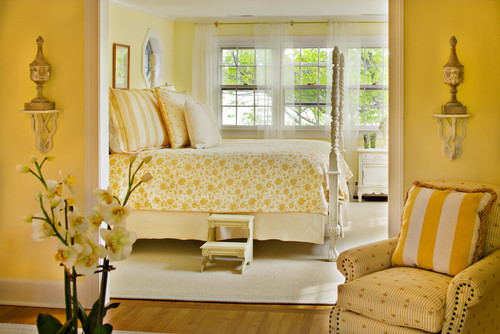
Yellow: Cheerfulness and sunshine. However, in its most saturated form, yellow is most likely to cause eye strain and is prone to make babies cry. 
Brown: wholesomeness and practicality, orderliness, grounded with a connection to Earth. 

Color is a massive topic which goes way beyond the scope of one post. Next time we'll see how color is used in interior design to effect desired responses - not that color psychology is a tool used by interior designers alone.  Color psychology plays a prominent role in marketing and branding specifically. Yep, We're all playing with your mind. 

Monday, 11 February 2013

Who "Wood"a Known?


I think that living in Israel is fantastic for my middot (character). Every time I start to feel self centred, I peer out my window at the 10 year old boy helping an old lady with her groceries. When I need a push to simplify, I take a walk through the alleyways of Beis Yisrael, where real people still live contently in miniature apartments built sometime in the late 1800's. 

And, when I need a dose of humility, I need only to open my mouth and attempt to articulate myself to the nice-ish lady from the gas company who's becoming increasingly less nice by the minute as I try, for the third time, to explain that there is a flood in my boys' room because of a gaping hole that their technician left in my exterior wall. "Yesh mabul biglal chor" I say, "biglal hatechnai". "Nu?" Gas Lady responds. I'm so tempted to tell her that I really am intelligent in English but, thankfully, my wounded pride won't allow me to stoop that low. 

But not all customer experiences in Israel were created equal and while humility certainly has it's place, the job of a consumer is to be his or her own advocate. We, as Anglos, can even the playing field in our favor by arming ourselves with information and a critical eye. 

A very relevant example is cabinets - bedroom, kitchen, and bathroom.
You are about to shell out a sizable sum and you want to make sure that you get the most for your investment.

You can go into the store knowing that you "want something quality" and perhaps your neighbor even warned you to only buy "sandvich" OR you can walk in knowing the following:

Typically, the material used for construction of a cabinet carcase (body) in Israel is "sandvich" (known in the alter heim as "plywood") or "Sibit" (particle board).
Sandvich is an engineered wood product that is made of a sandwich (hence the name) of thin layers of wood. Each layer is laid with the grain running at 90 degrees to the layer below. The result is a strong and dimensionally stable material.
Particle board is a composite sheet material made by combining wood particles with glue and then heated and pressed into sheets.
Plywood

Particle Board


Plywood is generally the preferred choice because it is more resistant to moisture (note: I did not say waterproof.) and it holds fasteners (nails, screws) better than particle board.

That said, within each category there is an entire range of qualities. Saying that a cabinet is made of sandvich gives as much information as saying that your sheets are made of cotton. Thread count? Fiber? Weave? Finish?

This is where many consumers are fooled. They hear "sandvich adom" and they're sold. Nowadays, almost all wood sheets are manufactured and imported from china so that the "sandvich" of today can't compare to the sandvich of 10 years ago. 

You need to know if your wood is approved by the Israel standards authority (machon hatkanim) and if it's been sufficiently protected during transportation. 

In addition, you can ask the carpenter to see a sample of his wood. A quality sheet of sandvich usually has at least 9 layers of ply. Also, if you see gaps and imperfections on the edge, you know that the wood is of lesser quality (though still usable). 

The quality of sibbit is defined by the density of the particle chips and the quality of the glue. 

As an aside, Sandvich is a good choice for a static application like the cabinet body but not for a door or drawer front which is constantly in motion. Doors are typically made of MDF (Medium Density Fiberboard) and covered with laminate (formica) or veneer (forneer).  

The most important information that you can get from any manufacturer or carpenter is 2 or 3 names of previous customers. Reputation and recommendations are critical. Do your due dilligence, make an informed choice, and then enjoy your new furniture!

Sunday, 27 January 2013

Custom-made or Up-grade. How to make your kitchen work for you.


I have to confess. I had no idea how to cook when I got married. My repertoire consisted of tuna salad and the peanut butter and jelly sandwich. Iconic dishes, true, but only sufficient to satisfy one's palette for SO long. Preparing an entire shabbos felt like an insurmountable task. We moved into our apartment in Israel in the middle of Cheshvan and,lucky for me, our oven was completely treif so we had to wait for someone to blowtorch it.  That followed with a few weeks of (self imposed) family obligations. We had been living in Israel almost six weeks when my husband tentatively suggested that we stay home for shabbos. There were no more excuses. The time had come to face my fears. So there I stood, all alone, in my 4 meter kitchen with its bare fluorescent bulb and tiny cracked counter top attempting to decipher Chinese like "parboil" and "caramelize" and "dredge". Let's just say, I'm thankful that I made it through that first experience without too many scars. 
As a person who loves challenges and new experiences, I often wonder what scared me so much about conquering the cooking monster. My designer self likes to believe that the problem wasn't me but, rather, the uninviting disaster of a space that kept me away. 
I'm not saying that a well designed kitchen will magically transform you into a master chef, but simply that a functional and attractive space will encourage you to spend more time there. 

If you are one of those lucky people who is about to "do a kitchen", I humbly offer one piece of advice - hire a designer. That wasn't a plug, seriously. Hire anyone. Kitchen design is complex. Issues included are functional, technical, personal, aesthetic, spatial, logistical, financial, to name a few. It allows you to get the details sorted out on paper, before things are built incorrectly and then have to be altered or torn out or, worse, left as is.

If you are in a rental or you haven't budgeted for a custom kitchen, there are ways to upgrade your standard kitchen to create a functional and inviting experience. 
  • Give the kitchen a restaurant feel by removing the doors of the cupboards and upper cabinets to expose the shelves. This is a quick and easy way to totally change and expand the look of the kitchen but requires a commitment to stay clutter-free. Do this for cabinets that store china, stemware, and service pieces as apposed to food. Store small items in wicker baskets. 
  • Replace just the cabinet doors. A door made of MDF (Medium Density Fiberboard), covered in Formica (including quality hinges), can cost as little as 100nis per door.
  • Replace just the counters. There are quality attractive counters that cost as low as 800nis per meter.
  • Add Moldings: If your old cabinets don't go to the ceiling, adding a crown molding or soffit around the top will make a room look more elegant.
  • Upgrade Interiors. Slide-out shelves, lazy Susans, drawer dividers, and full-extension drawer glides can be retrofitted to your old cabinet interiors.
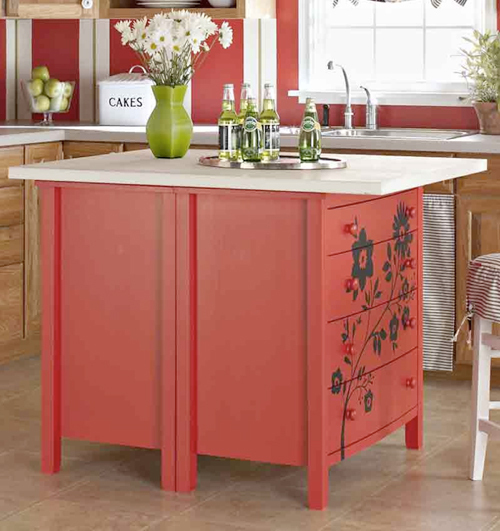
  • Add an Island. It can be anything- back to back dressers with a butcher's block or a re purposed file cabinet. Your decor doesn't have to be match-matchy, it just has to go.

via Apartment Therapy
                     
And, if you've done a custom kitchen and you love it, I'm coming for dinner!

Thursday, 17 January 2013

It's All About You!

We recently finished a major renovation to our apartment. We took a 3 room apartment on the top floor of a building and added a 2nd story on the roof. We put the salon and kitchen on the 2nd story and turned the original apartment (2 bedrooms, a salon, and kitchen) into four and a half bedrooms. Its interesting and different and totally consistent with my personality so that I always get a good feeling when I walk in the door.

That is what good interior design is all about. There are principles and rules that help create balance but it is more important that the design and decor in your home reflects your personality and living style rather than any conventional rule. And, you certainly don't have to completely gut your home and start from scratch in order to inject a bit of "YOU" into your space.  

Here are a few stylish ways to personalise your space without knocking down any walls. 

Accessorise


Accessories are a great way to bring your decor together. It's also another way to add a personal touch to your space as they often tell a story of where you have been or where you interests lie. Even if you choose neutral colors for your walls and furniture, you can still create a colorful atmosphere with the accessories you choose. 

Family Art
Take your favorite family photos, blow them up in different sizes, and hang them in similar (or different) picture frames.  Collect old photographs from your parents and grandparents to create a heritage display, or include your own baby photos with the baby photos of your children. ( Incidentally, you may encounter some objections from your bigger children who don't appreciate pictures of their 2 year old selves wrapped in a towel. Every time I hang that picture, it miraculously "disappears" the same day!)

Stick To It

Wall stickers are unique wall art without the large price tag- and they can be changed as often as you like. There are many places (including, you guessed it, Ikea!) that sell a variety of designs from animals to flowers to phrases. The look is a bit modern so if you are traditional in your tastes, this may not be your living room decor of choice, but there are whimsical wall stickers that make a fantastic addition to children's bedrooms. 

Support local artists
And I mean very local! They may not be Picasso's in the making but nothing is more special and personal than your child's artwork. Instead of posting these masterpieces on the fridge, display those brilliant creations more formally. For a unified look, hand each of your kids the same color crayons or markers and ask them to draw something specific. You will most certainly end up with variations on a theme. 

"Texstyles"
With the business of moving and unpacking behind me, I finally had the time to turn the "room where my girls sleep" into a "girl's room". With the addition of matching duvets and coordinating rug and curtains, the room went from "meh" to "marvellous". I invested less than 500nis and, of course, everything can be easily updated and replaced whenever I choose. 
The Girl's Room

The Boy's Room (formerly the kitchen!)

        How have you personalized your space? 

Tuesday, 1 January 2013

The Rundown Rental- Reasonable Redecoration Recommendations


We moved to Israel on a whim. Well, not a whim, exactly. It was more like a four year aliyah plan that turned, over night, into four weeks. We set off with no kollel (for him), no job prospects (for me), and nowhere to live (for either of us). A wonderful family member offered us her vacant machsan apartment for exactly 2 weeks, until the new tenants were to arrive.

I set out sprightly each morning, armed with my Yisa Bracha listings, and returned each evening with a heavy heart, quickly becoming aware of the alarming reality - there were no apartments in Ramat Eshkol to be had. 

Two weeks became one, seven days became 3, and in the ninth hour (or dare I say the hundredth?), The One Who Can Do Anything, did. 

With boundless joy, we gathered all of our worldly possessions and moved into our tiny, grungy, old, run down, tastelessly decorated, rental.  I don't think there existed a happier couple in all of Ramat Eshkol. 

Thankful, unquestionably, but also a little overwhelmed by the task of turning this less-than-attractive space (I'm being very generous) into a happy, comfortable, livable home. 

Here are a few ideas that I wish I'd known back then:

  • Camouflage unattractive flooring by adding an extra large area rug and bright accents.
  • Think ahead. Use modular furniture, Ivar shelves from IKEA or Cubitec by Doron Lachish, so that you can accommodate a different space when you move to your next home.
  • Your rental apartment may come with some unique colors choices (the back splash in our kitchen was fire-engine red.) Don't fight it! Create a pulled together look by incorporating the color in accents like dish towels, artwork, or a piece of furniture.
  • Good lighting can completely transform a room and it's source doesn't have to be a hardwired ceiling fixture. Use plug-in floor lamps, scones, or under-cabinet lighting in the kitchen to brighten up a room and open up dark corners.
  • You can make bookshelves seem built-in by flanking them on either side of a room entrance or window. You can even add moldings or trimmings to increase the affect. 
  • Invest in inexpensive renovations. Even if the apartment isn't yours, you'll probably live there long enough to benefit from improvements that minimal renovations can offer.
                 -A coat of paint can instantly change the mood of a room.
                 -Change your hardware. Many apartments have plain cabinet pulls that are old                             and boring. You don't have to live with them. Replace them with  something personal and interesting. You can always reinstall the old ones before you leave (and bring yours with you).
                 -Light fixtures can easily be switched and are a quick way to personalize a space. 

  • Furniture in a rental is often a hodgepodge of pieces that you or your landlord picked up. It doesn't always look nice and it doesn't always match. Unify the  motley bunch with slipcovers for your chairs and couches.
There is no official formula for making a rental apartment attractive and more fun to be in. Take a critical look at your space, identify your needs, and shake it up. Don't hesitate to make changes like moving furniture around or replacing blinds. A little effort and creativity can make a meaningful difference. 
(And if you aren't exahusted once you've completed your redecorating efforts, just say the title of this post 5 times fast.)

Thursday, 20 December 2012

Mirror Reflections

Though I'm a huge believer in the power of positive thinking, I don't believe that our eyes can will the space before us to actually expand (unless, of course, yours can, in which case, I want to read your blog) They can, however, play some pretty nifty tricks on our perception.

My favorite is the mirror trick. 

Large mirrors create an illusion of depth as the mirror reflects color and light across the room.  


Large mirrors

I'm talking about the largest you can afford. The physics here is simple: the more surface area to catch light and color, the larger your space looks. 


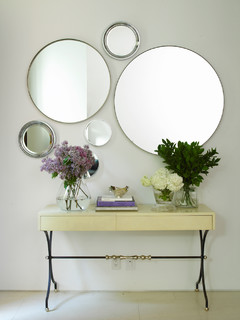
If over sized mirrors are beyond your budget, group 5 or 7 smaller mirrors together instead. This will create a style element as well. (note: odd numbers groupings are more pleasing to the eye.)


Mirror placement for Mummies
  • Don't overdo it - no need to feel like you live in a fun-house (even if you do....). Usually 2 well placed mirrors are sufficient to create the desired effect. 

  • Mirrors don't discriminate between indoor and outdoor light sources. Place your mirror opposite a window and double your natural light. Reflecting the outdoors will also bring the illusion of nature into your home. (I said Illusion! March those bugs out of my house!)


  • Place a mirror so that it catches the reflection of the next room, giving the suggestion of more space. (Another means to keep an extra eye on said entomologists and acrobats.)

"Mirror trick" tricks 


  • Fake a window by tiling rectangular windows. (wishful thinking at its finest!)


  • Make a wall look longer - instantly- by placing a mirror on its side
  • Place a mirror behind a light source. The mirror will literally magnify the light's reach


Monday, 10 December 2012

The Elephant On The Blog

Fellow bloggers*, am I totally crazy that I look forward to writing on my blog like all day long??? Before I discovered interior design, my dream was to be a creative writer. I ask you, is there a better synthesis of my two loves then actually writing about interior design?! Who hoo! Eureka! 

(Excited much?) 

I find myself, however, in a blogger conundrum. My wordsie side wants to muse and emote and be pithy and sarcastic and my designee side wants to be informative and  create really helpful content and I have to figure out how to integrate the two. Good times!

But now I'm truly in a quandary. Posts one and two were pretty much fluff (though fabulously fun to write) so, thought I, tonight would certainly be dedicated to hard info. I sat down all revved up to inform, all pumped to do the whole "top 10 blah blah blah" when I realised there is one more thing I must say before we get down to design tachlis**. 

We have to talk about the elephant in the room.

There is no design strategy that will make your small space feel bigger if your house is full of clutter. You can flood your space with natural light, reflect it all over the place with light colors, and double that space with huge mirrors. If your house is full of clutter, you'll just be reflecting a whole lot of elephant. 

There are a bazillion websites with "top 10 blah blah blah's" on how to declutter including Fly Lady, which is my personal fav. There are also people who can help you discard, delete, and destroy all that dastardly disorder. 

Next time we can talk about how to make you're small but clutter-free home feel larger. 

Ok, no more shmoozing. You've got decluttering to do..............go on...........Go!


*So owning that "blogger" status! (All 3 posts of it!)
Definition of blogger as per the Cambridge Dictionary (which sounds official enough to me)

blogger: noun 

someone who writes a blog
check!


**thats 'form and content' for anyone who's Alta Bubbe didn't speak "a bissel Jewish".